Educational content only. Not medical, psychological, or health services. Aotearoa, New Zealand.

Sleep Environment Design

Create a physical space that supports your wind-down routine and sleep preparation.

Five Dimensions

Environment Design Elements

Lighting

What to adjust: Brightness, colour temperature, and gradual dimming through evening.

Educational approach: Research suggests gradual light reduction may support natural circadian signalling. Experiment with adjustments suited to your space.

Temperature

What to adjust: Room temperature and bedding layers based on season and preference.

Educational approach: Environment comfort varies by individual. Track what feels optimal for your rest preparation.

Sound Environment

What to adjust: Background noise, silence, or preferred audio (music, nature sounds).

Educational approach: Some prefer silence, others benefit from consistent ambient sound. Identify your preference through experimentation.

Sensory Elements

What to adjust: Scent, texture, plants, and visual elements that create calm.

Educational approach: Small touches—plants, soft textures, pleasant scents—can support a sense of preparation.

Digital Boundaries

What to adjust: Device location, notifications, and screen-free zones or times.

Educational approach: Create physical or temporal boundaries that support focus and wind-down time.

Space Layout

What to adjust: Furniture arrangement, clutter management, and separation of activities.

Educational approach: Organise your space so evening routines feel distinct from work or high-activity zones.

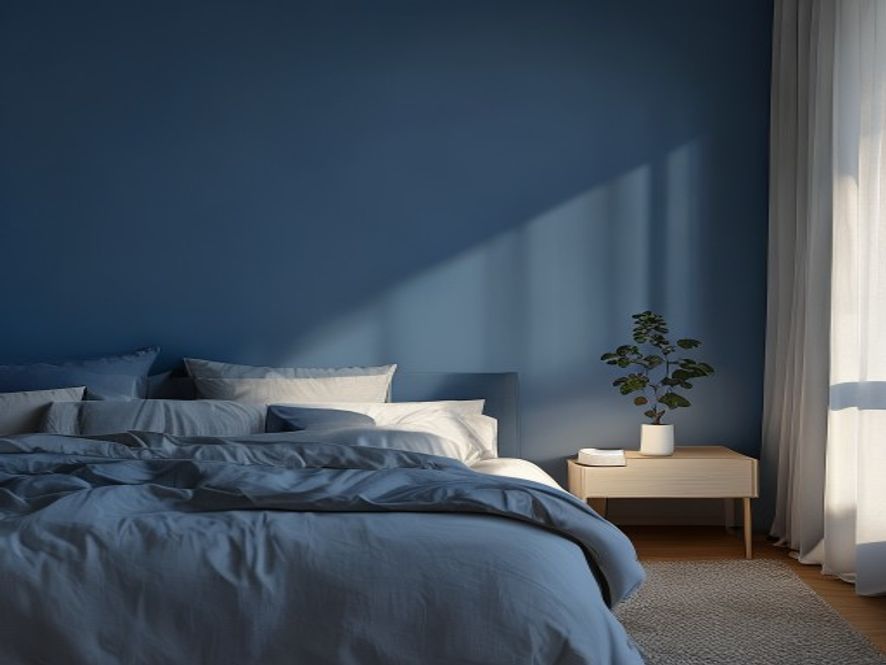
A calm bedroom setup with soft lighting and minimal clutter

A Practical Approach

You don't need to redesign everything at once. Start with one or two elements that feel most achievable for your space and budget.

Example priorities:

  • Improve lighting transitions (dimmers, lamps, warm bulbs)
  • Reduce distractions (phone charging outside bedroom, close curtains)
  • Add comfort layers (better pillows, blankets, small plants)
  • Establish sound environment (white noise machine, earplugs, or silence)
  • Organise the space (clear clutter, create wind-down zones)
Get Environment Recommendations

Personalised Environment Audit

Use our checklist to identify which elements of your current environment support your wind-down, and which might need adjustment.

Rate each area (1=needs work, 5=working well):

Areas with 1–3 ratings are candidates for improvement. Prioritise 1–2 changes each week.